
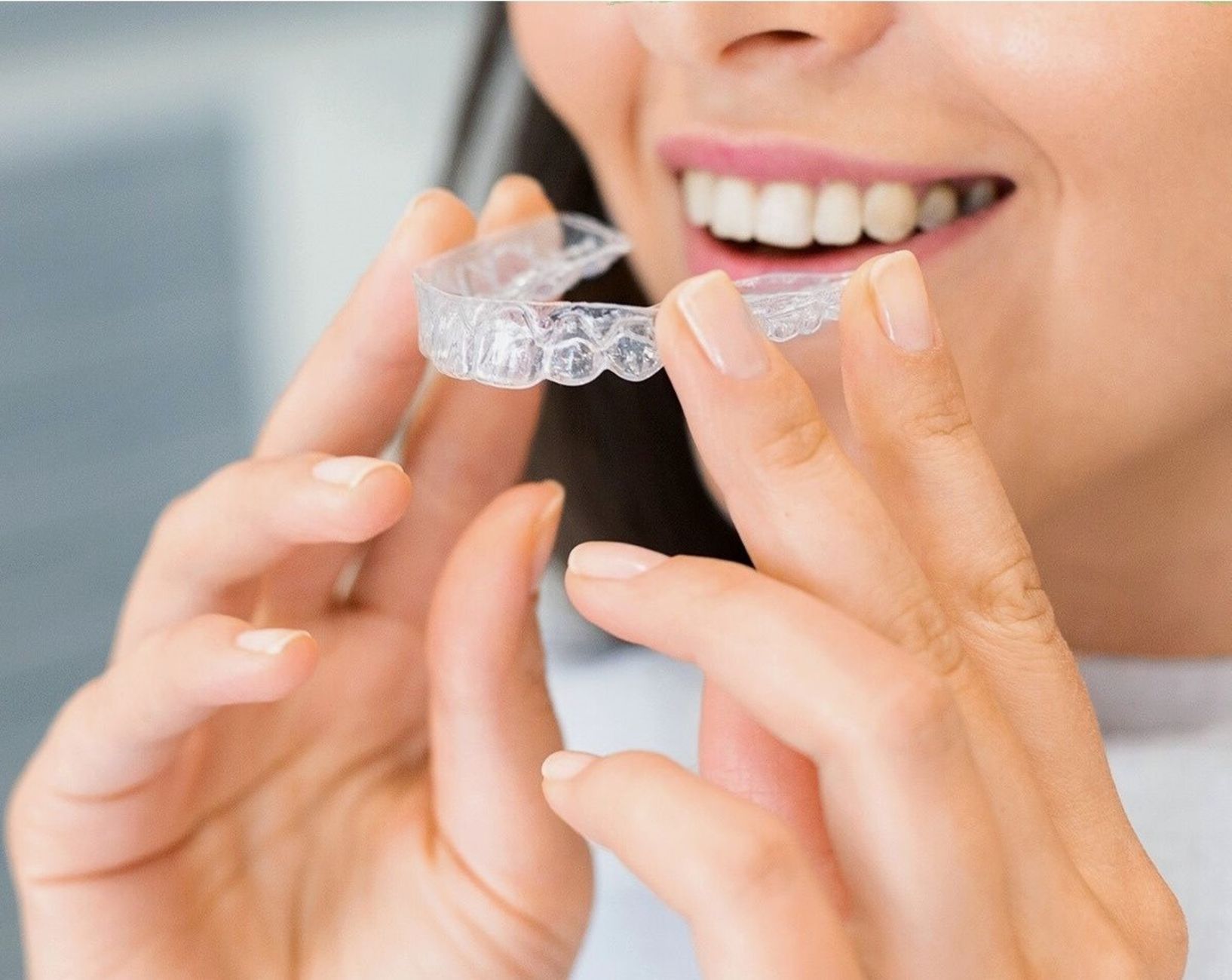
If you spent your teenage years avoiding braces, or if you had them once and your teeth have shifted since, you might assume orthodontic treatment is something you missed your window for. It is one of the most common questions adults ask when they start thinking seriously about straightening their teeth: is there a cutoff, and did I wait too long? The good news is that clear aligner treatment does not work like that. Adult smiles of nearly every age can be candidates for Invisalign, and the number of adults choosing to start treatment well past their twenties, thirties, or even sixties keeps growing.
This article walks through what actually determines whether an adult is a good candidate, how the process differs from treating a teenager, and what to expect if you decide to look into it for yourself.
Why Adults Are Choosing Invisalign Later in Life
Orthodontics used to carry a reputation as something you did once, in middle school or high school, and then never thought about again. That reputation has not held up well. Teeth move throughout life. Pressure from chewing, changes in bone density, the natural aging of supporting gum tissue, and even the loss of a single tooth can cause a domino effect of shifting that shows up years or decades after adolescence.
Many adults come in wanting to fix crowding they had corrected once before, only to watch it slowly return. Others never had treatment at all and have simply reached a point in life where they have the time, stability, and interest to finally address it. There is no biological switch that turns off once you pass a certain birthday. As long as teeth and the surrounding gum and bone tissue are healthy enough to move safely, age on its own is not a disqualifying factor.
Is There Really an Age Limit for Clear Aligners?
There is no upper age limit written into clear aligner treatment guidelines. What matters far more than the number of candles on your last birthday cake is the condition of your teeth, gums, and jawbone. A dentist evaluating you for aligners is looking at things like gum health, bone support around each tooth, whether you have any untreated decay, and how your bite currently functions.
Someone in their forties with strong gum health and stable bone density is often just as good a candidate as someone in their twenties. Someone in their sixties or seventies can absolutely still be a candidate too, provided periodontal disease or significant bone loss is not present or has been addressed first. This is why a proper evaluation matters more than guessing based on age alone. The only real age consideration is on the younger end, since aligner treatment generally waits until enough permanent teeth have erupted to track properly.
What Makes Adult Teeth and Jaws Different From Teenagers’
Treating an adult is not identical to treating a teenager, even though the aligner trays themselves look similar. A teenager’s jaw is often still growing, which can work in favor of certain corrections. An adult’s jaw has finished developing, so treatment relies entirely on moving teeth within the existing bone structure rather than guiding growth.
This typically means adult treatment plans are built around what is achievable through tooth movement alone, which is still a great deal in most cases. It also means an adult’s dental history matters more. Old fillings, crowns, missing teeth, previous orthodontic work, and any history of gum disease all factor into the plan. A dentist reviewing an adult case will often spend more time looking at the whole mouth rather than just the alignment of the front teeth, because a filling from years ago or a slightly worn crown can influence how a tooth is safely moved.
Common Reasons Adults Seek Orthodontic Treatment
Adults rarely come in for aligners for exactly the same reasons as teenagers. A few patterns show up again and again.
Relapse after previous orthodontic treatment is one of the most frequent reasons. Teeth that were once straightened can drift back over the years, especially if a retainer was not worn consistently. Another common driver is crowding or spacing that developed gradually and was never treated in the first place, sometimes becoming more noticeable as gums recede slightly with age. Bite issues that cause uneven wear on teeth or jaw discomfort also bring adults in, since misalignment can contribute to strain on the jaw joint over time.
Cosmetic motivation plays a role too, and there is nothing wrong with that. Many adults simply reach a stage in life where they have the flexibility and desire to invest in how their smile looks and feels, whether that is for photos, a career change, or personal confidence.
How Invisalign Works for Adult Smiles
The mechanics of clear aligner treatment do not change dramatically based on age. A series of custom, removable trays gradually shift teeth into their planned positions, with each tray worn for a set number of days before moving on to the next in the sequence. Digital scans and treatment planning software map out the full movement in advance, so both the dentist and the patient can see roughly what the end result should look like before treatment even begins.
What does change for adults is how the plan accounts for existing dental work and the pace of movement. Bone density in adults can respond a bit more slowly to pressure than it does in a younger patient, so treatment timelines are sometimes adjusted accordingly. Many adults today opt for discreet clear aligner treatment in Aurora and similar cities specifically because the trays are close to invisible, which matters a great deal to someone who wants to straighten their teeth without it being obvious in a boardroom, on a video call, or at a family gathering.
What to Expect During an Adult Invisalign Consultation
A first consultation typically starts with a full look at your dental and periodontal health, not just your alignment. Expect digital scans or X-rays, a conversation about your bite, and questions about any past dental work, grinding habits, or jaw discomfort. This is also the point where a dentist will flag anything that needs to be addressed before aligner treatment starts, such as a cavity that needs filling or gum inflammation that needs to settle down first.
From there, you should get a realistic picture of how long treatment is expected to take, roughly how many aligner trays you will move through, and what your specific case involves. Adult cases vary widely. Someone with mild spacing might finish in a matter of months, while someone correcting more significant crowding or bite issues could be looking at a longer runway. A good consultation should leave you with a clear sense of what to expect rather than a vague estimate.
Life With Aligners: Fitting Treatment Into a Busy Adult Schedule
One of the practical advantages adults appreciate about clear aligners is how well they fit into an already full schedule. There are no wires to get adjusted every few weeks and no brackets to worry about breaking on hard foods. Trays are removable, so eating, brushing, and flossing all happen as normal, just with the aligner out of your mouth.
That said, removable does not mean optional. The trays generally need to be worn for the large majority of each day to keep treatment on track, with removal mainly for eating and oral hygiene. Adults juggling work travel, client dinners, or unpredictable days sometimes find this discipline is the biggest adjustment, more so than any physical discomfort. Setting a simple routine, such as always putting the tray back in immediately after brushing, tends to make it second nature within a few weeks.
Addressing Concerns About Comfort, Speech, and Appearance
It is common for adults starting treatment to worry about how aligners will affect daily speech or comfort, especially if they have an important job that involves a lot of talking. Most people notice a brief adjustment period with each new tray, sometimes with a slight lisp or pressure sensation for a day or two, which tends to fade quickly as the mouth adjusts.
Appearance is usually the bigger relief once treatment starts rather than a source of ongoing worry. Because the trays are clear and fit closely to the teeth, most people around you will not notice them unless they are looking closely. This is part of why so many adults who were hesitant about visible metal braces feel comfortable moving forward with clear aligners instead.
When Invisalign Might Not Be the Right Fit
Clear aligners are not the right solution for every case, and a straightforward evaluation should be honest about that. More complex bite discrepancies, certain types of severe crowding, or cases involving significant jaw misalignment sometimes respond better to traditional braces or a combination approach. Active gum disease or untreated decay also needs to be resolved before any orthodontic movement begins, since moving teeth through unhealthy bone or tissue carries real risk.
This is exactly why the evaluation step matters so much. A dentist who takes the time to review your full oral health picture, rather than just handing over a box of trays, is doing right by your long-term dental health, not just your smile’s appearance.
Caring for Your Smile After Treatment Ends
Finishing active aligner treatment is not quite the finish line people sometimes expect it to be. Teeth have a natural tendency to drift back toward their original positions if nothing holds them in place, which is why a retention plan matters just as much as the treatment itself. Most people wear a retainer at night for a good stretch of time after finishing, and many continue wearing one occasionally for years to protect their results.
Regular dental checkups after treatment also help catch any small shifts early, before they become noticeable enough to need correcting again. Adults who stay consistent with retainer wear tend to be the ones who keep their results looking exactly the way they did on the day their treatment finished.
Finding the Right Dental Team for Adult Orthodontics
Because adult cases involve more moving pieces, from past dental work to gum health to bite function, it helps to work with a dental team that treats adult patients regularly rather than one whose orthodontic experience is mostly with teenagers. Consultations that take a broader view of your smile, such as Aurora smile makeover consultations, often end up covering more than just alignment, touching on things like whitening or minor cosmetic adjustments that round out the final result.
Location and convenience matter too, since you will likely have several appointments over the course of treatment. Adults living in and around the Denver area often look for a dentist serving Denver, CO who can offer flexible scheduling and a comfortable, judgment-free environment for starting orthodontic treatment as a grown adult. Wherever you live, the most important step is simply booking that first evaluation. Age is rarely the obstacle people assume it will be, and for most adults, the biggest barrier to a straighter smile is just deciding to ask the question in the first place.