
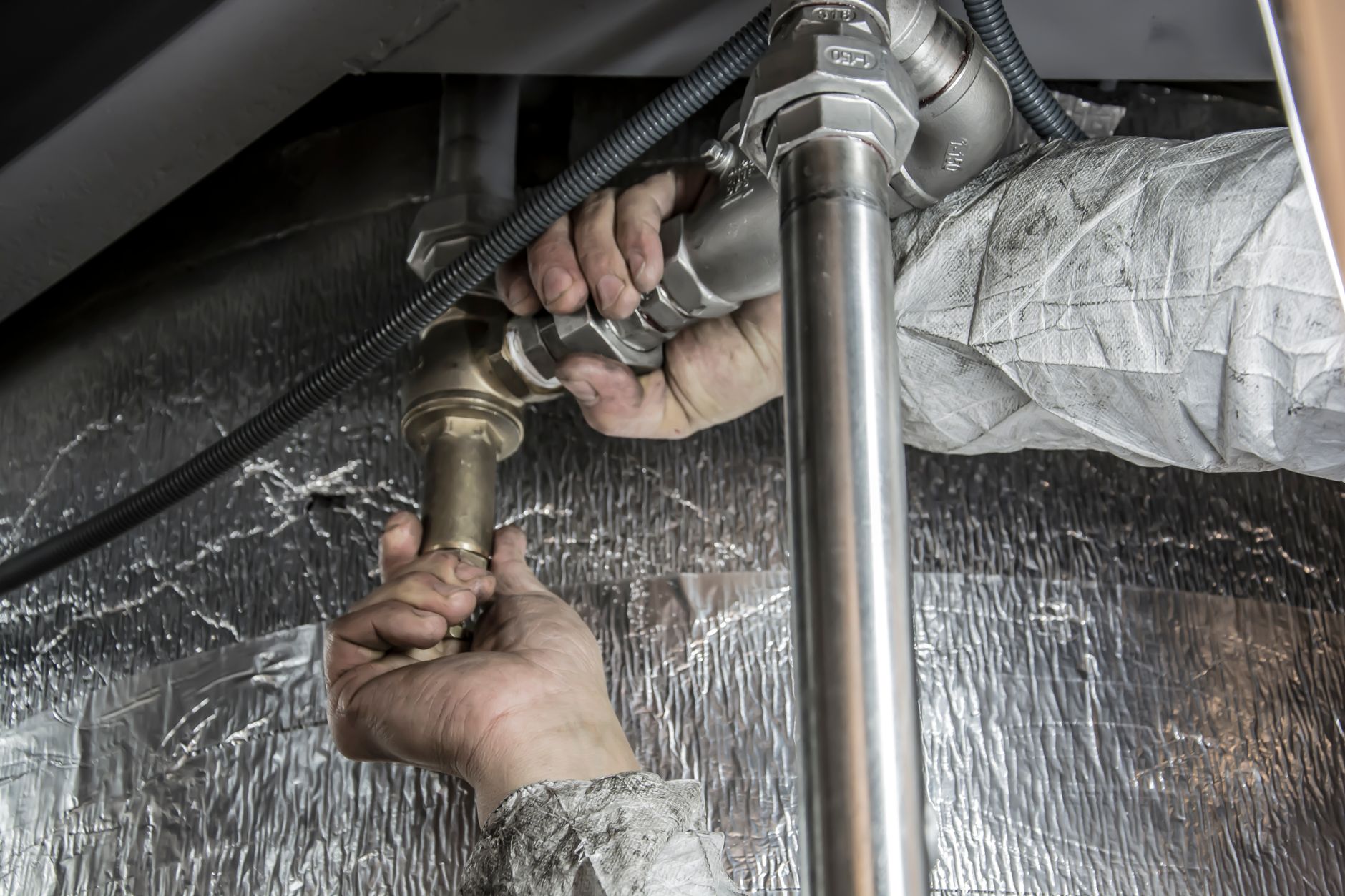
A leaking appliance, a burst pipe, or water appearing in the basement can turn an ordinary day into a stressful one very quickly. Homeowners insurance often helps with sudden, accidental water damage, but the word “often” matters. The source of the water, the condition of the home, the policy wording, and the type of coverage purchased can all affect the outcome of a claim.
The most helpful approach is to separate two questions: what caused the water to get where it did, and what damage did it cause once it arrived? This guide explains the coverage issues homeowners commonly encounter, what to document, and how to make sound decisions during a water emergency. It is general information, not a replacement for reading your own policy or speaking with your insurer.
The key distinction: sudden accidents versus gradual problems
Many standard homeowners policies are designed to cover damage from sudden and accidental events. A supply line that unexpectedly breaks under a sink, a washing machine hose that fails, or a pipe that bursts during a cold spell are examples of situations that may be covered, subject to the policy’s terms, deductible, and exclusions. The insurer will generally look at whether the event was unexpected and whether the resulting damage happened as part of that event.
Gradual damage is treated differently. If a small leak has been dripping behind a wall for a long time, damaging drywall, flooring, or framing, an insurer may consider it a maintenance issue rather than a covered loss. The distinction can feel frustrating because the damage may only become visible all at once. Still, the cause may be viewed as ongoing wear, deterioration, or a failure to address a known problem.
What a standard policy may cover after a pipe leak
When a covered water event occurs, a policy may help pay to repair or replace damaged parts of the home, such as drywall, baseboards, flooring, cabinets, and personal belongings. It may also address reasonable mitigation steps intended to prevent the damage from spreading. Removing standing water, setting up drying equipment, and protecting unaffected belongings are common examples of work that can be important immediately after a loss.
Coverage for the failed item itself can be different from coverage for the damage it caused. For example, a policy may pay for water-damaged flooring after a plumbing failure while not paying to replace the worn pipe, old hose, or defective appliance part that triggered the incident. This is one reason it helps to ask the adjuster to explain the estimate line by line rather than assuming every related expense is included.
Appliance overflows and plumbing backups are not always the same
An accidental overflow from inside the home may be covered in many circumstances. A dishwasher that leaks during a cycle, an upstairs toilet that overflows, or a refrigerator line that suddenly disconnects can all lead to claims. Coverage depends on the exact facts, including whether the homeowner knew about a recurring problem and whether the water came from the home’s internal plumbing or from elsewhere.
A sewer or drain backup is commonly handled under a separate endorsement rather than the core policy. Water that reverses through a drain, sump system, or sewer line can create extensive contamination and cleanup needs, yet many homeowners do not discover this coverage gap until after a storm or blockage. Review the declarations page for wording such as sewer backup, water backup, drain backup, or sump overflow, and ask your insurer what situations the endorsement actually includes.
Flood damage usually requires its own coverage
In insurance language, a flood generally refers to water that affects land that is normally dry, often after heavy rainfall, overflow from a body of water, or surface water moving across the ground. Standard homeowners insurance generally does not cover this type of flooding. That can surprise homeowners who reasonably use “flood” to describe any large amount of unwanted water in a house.
Flood insurance is typically separate and should be considered based on a property’s location, drainage patterns, elevation, and local weather exposure. Do not assume that being outside a formally identified high-risk area means flooding is impossible. Water can enter through foundations, window wells, doors, and overwhelmed drainage systems in many neighborhoods. An insurance agent can explain available options and any waiting periods that may apply before a new flood policy becomes effective.
Roof leaks, wind-driven rain, and maintenance questions
Water entering through a roof can be one of the more complicated claim scenarios. If wind damages shingles and rain subsequently enters through the damaged area, the resulting interior water damage may be covered if the wind event is covered. The insurer may examine weather conditions, photographs, and the roof’s condition to determine whether there was a sudden covered opening.
By contrast, water entering through long-standing worn flashing, deteriorated shingles, or neglected caulking may be excluded as a maintenance-related issue. Homeowners can reduce uncertainty by routinely checking roofs, gutters, attic spaces, window seals, and exterior drainage. Keeping records of repairs and seasonal maintenance will not guarantee coverage, but it can help show that the home was cared for and that a particular event was not ignored.
Mold coverage depends heavily on the original loss
Mold is one of the most misunderstood parts of a water-damage claim. It can begin to grow when materials remain damp, but insurance coverage is often limited, capped, excluded, or dependent on whether the mold resulted directly from a covered water loss. Policies may also have specific requirements about prompt reporting and reasonable efforts to dry the affected area.
When there has been a sudden leak, it is wise to address moisture quickly, even while the claim is being reviewed. A qualified professional can assess whether materials can be dried safely or need removal. Homeowners looking for local support may encounter services described as mold remediation Oak Park, but any homeowner should verify licensing requirements, scope of work, and insurer communication expectations before authorizing major work. The priority is limiting further damage while preserving clear documentation of what was found and what was done.
Why the timing of your response matters
Insurance policies generally expect homeowners to take reasonable steps to protect the property after a loss. That does not mean you must know how to perform repairs yourself. It means shutting off the water if it is safe, moving undamaged items away from the wet area, placing containers beneath a manageable drip, and arranging emergency help when needed. If electricity may be affected, avoid entering standing water and contact appropriate professionals.
Waiting can make both the property damage and the insurance discussion harder. Wet carpeting, insulation, drywall, and wood can retain moisture even after visible puddles are gone. Early extraction and drying may prevent a smaller event from becoming a larger reconstruction project. Keep receipts for emergency supplies, temporary lodging if applicable, and mitigation work, then provide them to the insurer as requested.
A practical first-day checklist after water enters the home
Start by making the area safe. Turn off the water supply if a plumbing fixture or appliance is the source. If water is near electrical outlets, the panel, or appliances, do not take risks to inspect it. Take photos and short videos before moving items when it is safe to do so, capturing the source, affected rooms, visible water lines, and damaged belongings. A simple written timeline of when you discovered the issue and what you did next can also be useful.
Next, contact your insurance company or agent and ask how to open a claim, whether emergency mitigation needs prior approval, and what documentation is required. Then arrange prompt drying or cleanup if the situation calls for it. Search results for water damage restoration Oak Park, IL can help local residents identify providers, but do not let a search listing substitute for asking about availability, insurance, written estimates, and the work plan. Save all invoices, moisture reports, and photos from the service process.
How deductibles shape the claim decision
A deductible is the amount a policyholder is responsible for before covered insurance benefits apply. If the total covered repair cost is close to or below the deductible, opening a claim may not result in a payment. That does not mean the event should be ignored; the home may still need immediate professional drying and repair. It simply means homeowners should understand the likely financial picture.
Before deciding how to proceed, ask for an estimate of emergency work and anticipated repairs, while remembering that hidden damage can change the scope. You can also ask the insurer whether reporting an incident creates a formal claim and how the deductible would be applied. Do not delay urgent mitigation merely to calculate every cost. Preserving the property comes first, and the final estimate can follow once the area is dry enough to inspect.
Replacement cost and actual cash value affect settlement amounts
Homeowners policies may settle certain property losses on a replacement-cost basis or actual-cash-value basis. Replacement cost generally relates to the cost of replacing damaged property with similar new property, subject to policy terms. Actual cash value generally accounts for depreciation, which can result in a lower payment for older items or materials. The policy may apply different methods to the dwelling, personal property, and particular categories of belongings.
Ask the adjuster how damaged flooring, cabinets, furniture, electronics, and clothing will be valued. It is also helpful to ask whether recoverable depreciation is involved and whether it is paid after repairs are completed. Keep copies of estimates, contracts, invoices, and proof of payment. Understanding the settlement method early can make it easier to choose materials and repairs that fit both the policy and your household budget.
What to do when an insurer questions the cause of damage
Disagreements often arise because water can have multiple possible causes. A basement wall may show moisture after rain, but the source could involve foundation seepage, a plumbing line, poor grading, a blocked drain, or a combination of issues. A thorough inspection and clear records can help establish the facts. Avoid throwing away failed parts, such as a broken hose or pipe section, until the insurer confirms they are no longer needed.
If an insurer denies all or part of a claim, request the decision and the relevant policy language in writing. Read the stated reason carefully. You may be able to provide additional photographs, repair records, plumbing findings, or contractor documentation that addresses the question. If the claim is significant or the explanation remains unclear, consider speaking with a qualified insurance professional or attorney familiar with your jurisdiction before accepting a final outcome.
Temporary living costs may be available after serious damage
If a covered loss makes the home unfit to live in, many homeowners policies include additional living expense coverage. Depending on the policy, this can help with reasonable extra costs for temporary housing, meals beyond normal household spending, laundry, pet boarding, or other necessary expenses while covered repairs are underway. It is not an unlimited household budget, so check the policy limits and claim instructions.
Keep receipts and separate normal expenses from additional expenses caused by displacement. For example, the relevant amount may be the extra cost of eating out when a kitchen cannot be used, rather than the full cost of every meal. Ask the adjuster whether a hotel or rental needs approval, what documentation is expected, and how long benefits may be available under the terms of the policy.
Water and fire losses can overlap more than people expect
Water damage sometimes follows a fire event. Firefighting efforts can leave ceilings, walls, floors, and belongings soaked, while smoke residue and structural damage create additional cleanup needs. These claims require coordinated assessment because drying, cleaning, demolition, and rebuilding must be planned in a way that does not spread contamination or conceal fire-related damage.
In that situation, a homeowner may need specialists with experience beyond water extraction. A fire restoration company can be part of the recovery conversation where fire, smoke, and firefighting water all affected the property. As with any contractor, obtain a clear scope of work, understand who is communicating with the insurer, and retain copies of assessments and invoices for your records.
Questions worth asking before the next emergency
The best time to review water coverage is before water is on the floor. Ask your insurer whether your policy covers accidental discharge from plumbing, appliance failures, sewer or drain backup, sump overflow, hidden leaks, mold-related damage, and additional living expenses. Ask about limits, deductibles, exclusions, endorsements, and whether the dwelling amount reflects current rebuilding needs. Policy terms vary, so a quick annual review can uncover gaps that are much easier to address in advance.
It also helps to know where the main water shutoff is, test any sump system according to manufacturer guidance, and keep an inventory of major belongings. Photographs of each room, stored securely, can make a future claim easier to document. Water damage is never convenient, but a clear understanding of coverage, fast mitigation, and careful records can give homeowners a much steadier path through an otherwise difficult situation.