
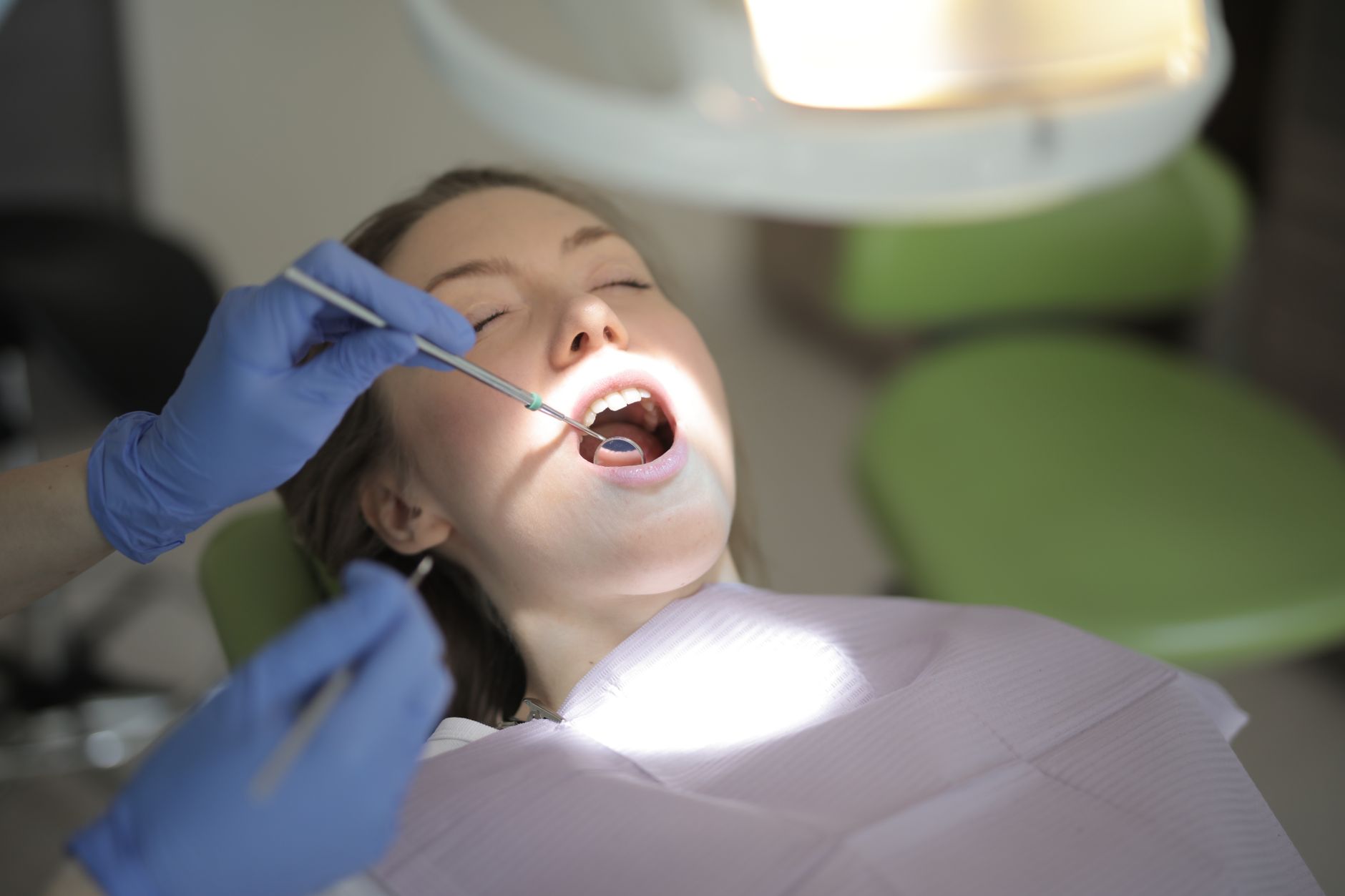
Most people think of acid reflux as “that burning feeling” after a spicy meal or late-night snack. But your mouth often feels the effects long before your stomach does. When stomach acid makes its way up into your throat and mouth (even in tiny amounts), it can quietly wear down teeth, irritate gums, and set you up for a chain reaction of dental problems you might not connect to reflux at all.
Here’s the tricky part: reflux-related damage doesn’t always hurt right away. Enamel erosion can be gradual, sensitivity can come and go, and people often assume they just need a different toothpaste. Meanwhile, the underlying cause keeps bathing teeth in acid. If you’ve ever wondered why your teeth seem to be “getting worse” even though you brush and floss, reflux could be part of the story.
This guide breaks down what acid reflux can do to your teeth, how to recognize early signs, and what you can do, starting today, to protect your smile. It’s written in a practical, friendly way, with the goal of helping you connect the dots between digestive health and dental health.
Why stomach acid is so hard on teeth
Your teeth are built to handle a lot, chewing, hot coffee, crunchy foods, and the occasional sugary treat. But they aren’t designed to withstand repeated exposure to gastric acid. Stomach acid is strong enough to break down food and kill bacteria. When it repeatedly reaches the mouth, it can soften and dissolve tooth enamel over time.
Enamel is the hard outer shell of your teeth, and it doesn’t grow back. Once it’s worn down, the tooth underneath (dentin) is more exposed. Dentin is softer, more porous, and much more sensitive. That’s why reflux can lead to a “domino effect” where teeth become sensitive, then more prone to chipping, and later more likely to need restorative dental work.
Another reason reflux is so damaging is that it often happens at night. When you’re asleep, you swallow less and produce less saliva. Saliva is one of your mouth’s natural defenses because it helps neutralize acids and wash them away. Less saliva + acid exposure = a perfect recipe for erosion.
Acid reflux, GERD, and “silent reflux”: what’s the difference for your mouth?
People use “acid reflux” as a catch-all term, but there are a few patterns that matter when we’re talking about teeth. Occasional reflux after a big meal may have a smaller impact. Chronic reflux, especially GERD (gastroesophageal reflux disease), means repeated exposure, and that’s where dental changes become more likely.
Then there’s “silent reflux,” sometimes called LPR (laryngopharyngeal reflux). This can be sneaky because you may not feel classic heartburn. Instead, you might notice throat clearing, hoarseness, a sensation of a lump in the throat, or a chronic cough. Even without heartburn, acid can still reach the mouth and contribute to enamel wear.
From a dental perspective, the key issue is frequency and duration. The more often acid reaches the teeth, especially when saliva is low, the higher the risk of erosion and sensitivity. That’s why it’s helpful to think of reflux as a dental risk factor, not just a digestive annoyance.
How reflux-related enamel erosion actually looks
When people imagine tooth damage, they often think of cavities. Erosion is different. Cavities are caused by bacteria producing acids from sugar. Erosion is direct chemical wear, acid dissolving the tooth surface. With reflux, the acid source is internal, which means you can have excellent brushing habits and still see damage.
Dentists often notice reflux erosion on the inside surfaces of the upper teeth and the chewing surfaces of molars. The enamel can look smooth, shiny, or “glazed,” and the edges of front teeth may appear thinner or more translucent. Sometimes small indentations appear on the chewing surfaces, almost like the tooth is being gently scooped out.
Because erosion can be subtle early on, it’s easy to miss in the mirror. A dental exam can spot patterns that suggest reflux, especially when the wear doesn’t match typical grinding or dietary habits.
Sensitivity: the sign that makes people finally pay attention
Tooth sensitivity is one of the most common complaints linked with reflux. You might notice a quick zing when you drink cold water, eat ice cream, or bite into something sweet. Sometimes even breathing in cold air can set it off. That’s often dentin becoming exposed as enamel thins.
Sensitivity can be inconsistent, which makes it confusing. Some days it’s fine; other days it’s intense. Reflux can flare based on stress, diet, sleep position, and medications, so the dental symptoms can fluctuate too.
One important note: sensitivity doesn’t always mean you “just need sensitivity toothpaste.” If reflux is the driver, you’ll get the best results by combining dental protection with reflux management. Otherwise, you’re treating the symptom while the cause keeps going.
Chips, cracks, and worn edges: when enamel is no longer your shield
When enamel gets thinner, teeth become more vulnerable to everyday forces. That can show up as tiny chips on the edges of front teeth, rough spots you can feel with your tongue, or small fractures that seem to appear out of nowhere.
This is especially noticeable if you also clench or grind your teeth. Acid-softened enamel plus grinding pressure is a rough combination. Even normal chewing can start to feel “harder” on teeth that have lost their protective outer layer.
Over time, the bite can change too. As chewing surfaces wear down, teeth may look shorter, and the jaw can feel more tired. People sometimes assume it’s aging, but reflux-related erosion can speed up that worn look.
Yellowing and a “see-through” look: the cosmetic side of reflux
Many people first notice reflux damage because of appearance. As enamel thins, the underlying dentin shows through more. Dentin is naturally more yellow than enamel, so teeth can look darker or more yellow even if you’re brushing well and avoiding staining foods.
Front teeth can also start to look slightly translucent at the edges. That’s because enamel is naturally more translucent than dentin, and when it becomes thin, light passes through differently. The result can be a “glass-like” edge that wasn’t there before.
This matters because whitening products won’t fix enamel loss. Whitening can brighten enamel and reduce surface stains, but it can’t rebuild missing tooth structure. If cosmetic changes are tied to erosion, a dentist may recommend protective restorations or bonding depending on severity.
Bad breath and a sour taste: what’s happening in the background
Reflux can also affect your breath. Stomach contents and acid can leave a sour or bitter taste, especially in the morning. Even if you brush, the taste can return because the source is coming from the digestive tract, not just the mouth.
Dry mouth can make this worse. Many people with reflux breathe through their mouth at night (sometimes due to nasal congestion or sleep issues), and some reflux medications can contribute to dryness. Less saliva means more odor-causing compounds stick around.
Bad breath is often multi-factorial, diet, oral hygiene, gum health, and tonsil issues can all contribute. But if you notice a pattern where breath is worse after reflux episodes, it’s a clue worth taking seriously.
Gum irritation and inflammation: not just an enamel problem
While enamel erosion gets most of the attention, reflux can irritate soft tissues too. Acid exposure may contribute to inflammation in the mouth and throat, and some people notice a burning sensation on the tongue or palate.
Inflamed tissues can be more sensitive and may bleed more easily during brushing or flossing. That doesn’t mean reflux “causes” gum disease on its own, but it can add stress to the oral environment, especially if plaque buildup is already present.
If you’re managing gum issues, consistent professional care matters. Many people benefit from ongoing cleanings and monitoring, and if you’re looking for a structured approach, perio maintenance norton is an example of the kind of periodontal maintenance support that helps keep gum inflammation from escalating while you address underlying factors like reflux.
Cavities and reflux: how erosion can open the door
Reflux doesn’t directly “cause” cavities the way sugar and bacteria do, but it can make cavities more likely. When enamel is softened and thinned, teeth have less protection against bacterial acids. Think of it like taking the roof off a house, everything underneath becomes more exposed.
Also, people with reflux sometimes snack more to calm symptoms (crackers, bread, sugary lozenges). Frequent snacking gives bacteria more fuel. Add in dry mouth and enamel erosion, and the cavity risk can climb.
If you’re prone to reflux, it’s worth being extra mindful about how often you eat, what you sip throughout the day, and whether you’re using saliva-supporting strategies (like water, sugar-free xylitol gum, or saliva substitutes if recommended).
How to tell if reflux might be affecting your teeth
It’s not always obvious, so it helps to look for patterns. Do you wake up with a sour taste? Do your teeth feel sensitive in the morning? Have you noticed more chipping, roughness, or changes in tooth color? Do you have a history of heartburn, GERD, or chronic throat symptoms?
Another clue is where the wear appears. Reflux-related erosion often shows on the inner surfaces of upper teeth and on molars. If you’re seeing wear mostly on the outer surfaces, diet (acidic drinks/foods) may be a bigger factor. If wear is flat and even, grinding may be dominant. Often, it’s a mix.
Dental professionals can also spot “cupping” on molars and smooth, rounded surfaces that suggest chemical erosion. If you suspect reflux, it’s helpful to mention it at your dental visit, even if you think it’s “just occasional.”
What to do right after a reflux episode (this part matters a lot)
One of the biggest mistakes people make is brushing immediately after reflux. It feels logical, get the acid off your teeth. But right after acid exposure, enamel is softened. Brushing during that window can scrub away more enamel than you realize.
Instead, rinse gently with water to dilute and clear the acid. Some dentists also recommend rinsing with a small amount of baking soda dissolved in water (it’s alkaline), but you should ask what’s appropriate for you. Then wait about 30–60 minutes before brushing to give saliva time to help re-harden the enamel surface.
If reflux happens at night, consider keeping water by your bed. Even a quick rinse and swallow can help reduce the time acid sits on teeth.
Daily protection strategies that actually help
The goal is to reduce acid contact, strengthen enamel, and support saliva. Fluoride is a big help here because it can make enamel more resistant to acid. A fluoride toothpaste is a baseline, and in higher-risk cases a dentist may recommend prescription-strength fluoride.
Saliva support is underrated. Staying hydrated, chewing sugar-free gum after meals, and avoiding constant sipping of acidic beverages can make a noticeable difference. If you’re on medications that cause dry mouth, ask your healthcare provider if alternatives exist.
It also helps to watch “hidden acids” in the diet. Citrus water, apple cider vinegar shots, sports drinks, kombucha, and even frequent sparkling water can keep your mouth in an acidic state. That doesn’t mean you can’t enjoy them, just try to limit frequency, drink with meals, and rinse with water afterward.
Food, timing, and sleep habits: small tweaks with big payoffs
Reflux is often influenced by when and how you eat. Late-night meals are a common trigger, especially heavy, fatty foods. Giving yourself a few hours between dinner and lying down can reduce nighttime reflux, which is the most damaging time for teeth because saliva is low.
Portion size matters too. Smaller meals can reduce pressure on the lower esophageal sphincter. People also find relief by identifying personal triggers, tomato sauces, chocolate, peppermint, alcohol, coffee, and spicy foods are common, but everyone’s different.
Sleep position can help. Elevating the head of the bed slightly or sleeping on the left side may reduce reflux for some people. If you suspect reflux is affecting you at night, these changes can be surprisingly effective alongside medical guidance.
When restorations become necessary: fillings, bonding, and crowns
If erosion has progressed, home care alone can’t rebuild lost tooth structure. At that point, restorative dentistry becomes about protecting what’s left and improving comfort. Small areas may be treated with bonding or fillings to cover exposed dentin and reduce sensitivity.
When a tooth has lost more structure, or is cracking, chipping repeatedly, or causing bite issues, a crown may be recommended. A crown covers the tooth like a protective helmet, restoring shape and strength. The key is timing: placing restorations while the underlying reflux is unmanaged can lead to ongoing wear at the margins and new problems elsewhere.
If you’re exploring options for protecting worn teeth, porcelain crowns treatment norton is an example of a crown-based approach that can restore function and appearance once enamel loss or fractures start to compromise the tooth.
Reflux, tooth loss, and bigger rebuilds: what happens in severe cases
Most people with reflux won’t lose teeth solely because of acid exposure, but severe, long-term erosion can contribute to a situation where teeth become fragile, heavily restored, and more likely to fail. Combine that with gum disease, grinding, or untreated cavities, and tooth loss risk increases.
When multiple teeth are missing or failing, treatment planning becomes more complex. The jawbone, sinus anatomy, and overall oral health all matter. Some people need full-arch rehabilitation, and in cases where upper jaw bone is limited, specialized implant solutions may be considered.
For readers researching advanced options in complex tooth replacement situations, advanced zygomatic implants norton is an example of a treatment pathway sometimes used when traditional upper implants aren’t possible due to bone limitations. These are not “starter” implants. They’re part of a higher-level plan for specific cases.
How dentists and doctors can team up when reflux shows up in the mouth
One of the most helpful things you can do is treat reflux as a shared health issue rather than keeping it in a single box. Your dentist can identify erosion patterns and help protect teeth, while your physician or gastroenterologist can evaluate the reflux itself and recommend medical management.
Medical treatment might include lifestyle changes, over-the-counter antacids, H2 blockers, or proton pump inhibitors (PPIs), depending on severity and guidance. It’s important not to self-manage long-term medication without oversight, because chronic reflux can be linked to other health concerns that deserve proper evaluation.
From the dental side, your provider might recommend fluoride varnishes, enamel-protecting products, night guards if grinding is involved, and a monitoring plan with photos or scans to track wear over time. This kind of coordinated approach tends to work best.
Kids, teens, and reflux: yes, it can affect young teeth too
Reflux isn’t just an adult issue. Some children have GERD, and teens may experience reflux related to diet, stress, or certain medications. Because young enamel can be more vulnerable and habits are still forming, early detection matters.
Parents might notice kids complaining of tummy aches, refusing certain foods, coughing at night, or having hoarseness. Dentally, you might see sensitivity, faster wear, or an unusual pattern of enamel loss that doesn’t match brushing habits.
If reflux is suspected in a child, it’s worth addressing both medically and dentally. Protective fluoride, dietary guidance, and regular checkups can help prevent a long-term erosion pattern from becoming a lifelong issue.
Brushing and flossing with erosion in mind
If your enamel is already worn, technique becomes even more important. Use a soft-bristled toothbrush and gentle pressure. Aggressive brushing doesn’t clean better; it can wear enamel and irritate gums, especially when teeth have been softened by acid.
Pay attention to toothpaste choice. Some whitening toothpastes are more abrasive. That doesn’t mean you can’t use them, but if you have erosion and sensitivity, a lower-abrasion fluoride toothpaste may be a better everyday option. Your dentist can help you pick one based on your specific wear pattern.
Flossing still matters because erosion doesn’t replace cavity risk between teeth or gum inflammation. The goal is to keep plaque low so your mouth isn’t fighting both bacterial acids and reflux acid at the same time.
Dental checkups when reflux is part of the picture
If you have reflux, routine dental visits aren’t just about cavities. They’re about tracking change. Enamel erosion can progress slowly, and the earlier you catch it, the more conservative your treatment options are.
Ask your dentist to show you where they see wear and what it suggests. Photos, intraoral scans, and bite analysis can help you understand what’s happening and whether it’s stable or getting worse.
It’s also worth discussing your reflux timeline: when it started, how often symptoms occur, whether you take medications, and whether symptoms are worse at night. That context helps your dental team tailor prevention and decide how often you should be monitored.
A quick self-check list you can use this week
If you like having a simple plan, here’s a practical set of steps that can make a real difference without being overwhelming. Start with one or two and build from there.
First, after reflux: rinse with water, wait before brushing, and avoid acidic drinks right afterward. Second, protect enamel daily: fluoride toothpaste, gentle brushing, and consider asking about additional fluoride support if you’re sensitive. Third, reduce nighttime exposure: avoid late meals when possible and experiment with sleep position or bed elevation if reflux is frequent.
And finally, keep the loop closed: mention reflux at dental visits and bring up dental changes with your medical provider. Teeth are often one of the first places chronic reflux leaves a visible footprint, using that clue early can save you a lot of discomfort (and dental work) later.