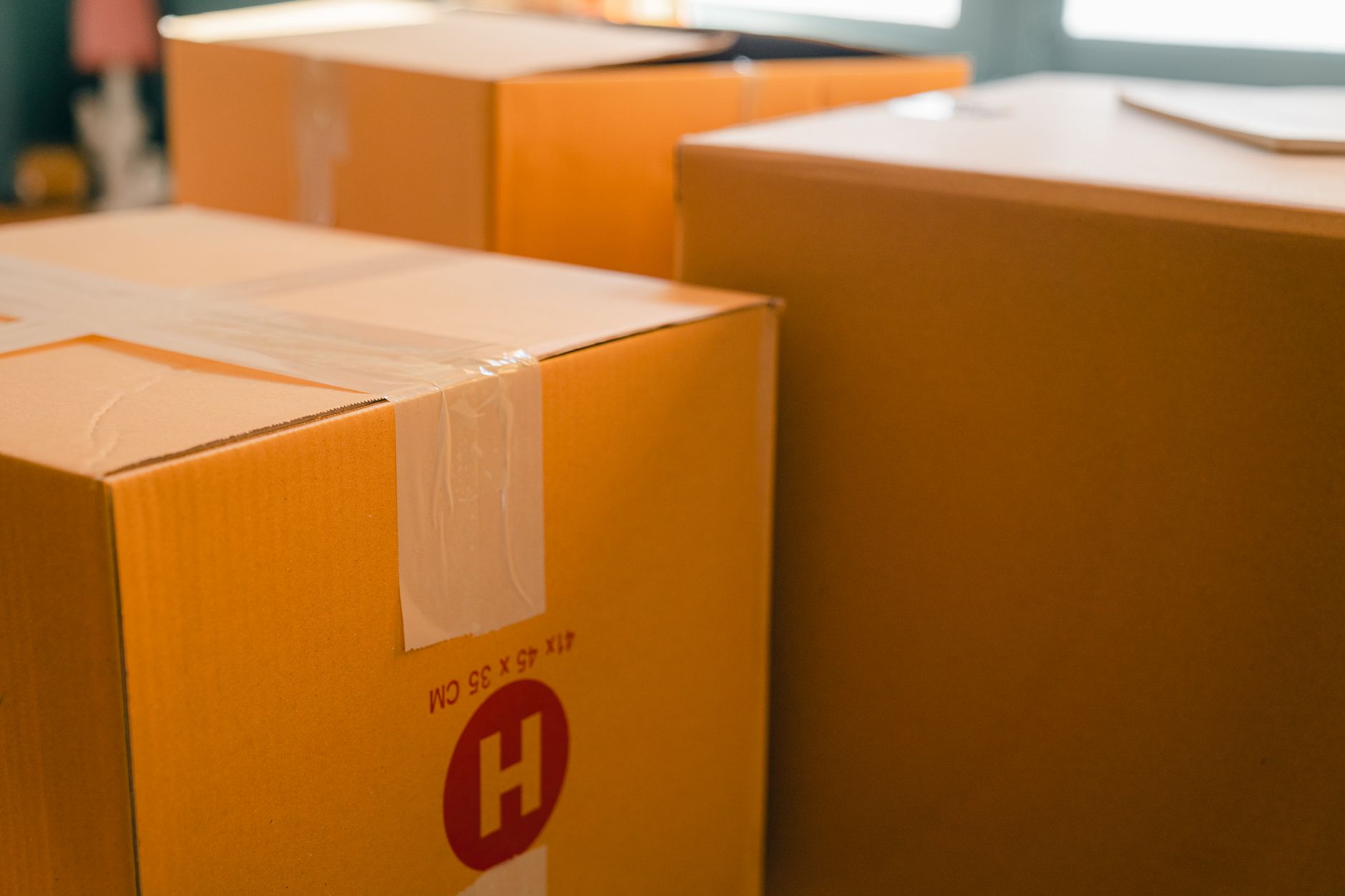
Moving in California has a way of feeling like five different projects happening at once: packing, booking help, transferring utilities, updating your driver’s license, and making sure your mail doesn’t vanish into the void. And if you’re relocating anywhere in the Bay Area—especially around Oakland—there’s an extra layer of “wait, which agency needs what, and by when?”
This checklist is designed to make address changes simple, trackable, and hard to mess up. It covers the big stuff (USPS, DMV, voter registration) and the sneaky stuff (subscriptions, medical portals, school records, and all those accounts you only remember when something goes wrong). Use it as a step-by-step plan, and feel free to copy it into a notes app so you can check items off as you go.
One quick note before we dive in: if you’re moving on a tight timeline, it helps to treat your address change like a mini project with deadlines. You’ll see suggested timeframes throughout, but don’t worry—if you’re already mid-move, you can still work through the list in order and catch up fast.
Start with a simple plan: dates, documents, and a master list
Pick your “official move date” and use it everywhere
Your move date is more than the day you pick up keys. It’s the date you’ll use for USPS mail forwarding, utility start/stop requests, insurance changes, and sometimes even school enrollment. If different accounts get different dates, you can end up with gaps—like a utility shutoff a day early or packages delivered to your old place for a week.
Choose one “official move date,” then write it at the top of your checklist. If you’re overlapping leases or staying with family for a short time, decide whether you want mail to go to the temporary address or to your final home. That one decision can prevent a lot of headaches.
If you’re moving into an apartment building with a mailroom, confirm when your name will be added to the unit mailbox and whether there are delivery instructions. Some buildings won’t accept packages until management updates their system.
Create a master list of every place your address appears
Address changes go smoother when you don’t rely on memory. Start a list with categories: government, financial, work, medical, school, utilities, subscriptions, and “random accounts.” Then add entries as you remember them—your gym app, your pet’s microchip registry, your favorite coffee subscription, the library, and so on.
A good trick: open your email and search for “welcome,” “invoice,” “statement,” “order shipped,” and “appointment.” You’ll quickly see which companies have your address. If you use a password manager, scan the vault for accounts that might send physical mail.
Keep this list somewhere you can access on move day (phone notes, Google Doc). You’ll inevitably remember something while standing in line or waiting for the elevator with a box in your arms.
Gather the documents you’ll keep reaching for
In California, address updates often require identity verification—even if it’s just confirming your date of birth and last four digits. Have these handy: driver’s license or ID, passport (optional but helpful), vehicle registration, lease or proof of residency (like a utility bill), and your Social Security number (or at least know where your card is).
If you’re moving with a partner or roommate, decide who is responsible for which updates. It’s easy to assume someone else handled the internet transfer or renter’s insurance change and then discover it didn’t happen.
If you’re coordinating a move across the Bay, it can help to confirm logistics early. If you’re comparing neighborhoods and distances, browsing moving company service areas in the Bay Area can give you a quick sense of which locations are commonly served and how moves are typically grouped.
Mail forwarding and delivery: make sure your mail actually follows you
Submit your USPS Change of Address (COA) request
USPS mail forwarding is the backbone of your address change plan. It buys you time while you update each account individually. In general, submit your COA about 1–2 weeks before your move date if you can. That timing helps reduce the number of pieces that still go to your old address.
You can choose between individual and family forwarding. If everyone in the household shares the same last name and is moving together, family forwarding can be convenient. If you have roommates, different last names, or someone staying behind, individual forwarding avoids mix-ups.
Double-check whether you want temporary or permanent forwarding. Temporary is useful if you’re planning to return or you’re in between places. Permanent is the better choice for most long-term moves.
Set up package delivery and building access details
Mail forwarding doesn’t always catch packages the way you’d expect, especially with private carriers. Update your shipping address directly with Amazon, Costco, Target, and any regular online stores. Then check delivery instructions: gate codes, call box directories, and “leave at door” notes.
If you’re moving into a building with a concierge or a package locker system, ask how deliveries are handled and whether you need to register your phone number or email. Some systems reject packages if the recipient isn’t in the database yet.
Also consider where you’ll be on move day. If you’re going to be in transit, it may be smarter to send high-value packages to a locker or hold them for pickup for a week.
Tell the people who still mail you things (yes, they exist)
Even if you’re mostly paperless, you probably still get a few physical items: replacement credit cards, medical bills, DMV notices, jury duty summons, and the occasional important letter that can’t be emailed. Make a short list of “must-not-miss” senders and update them early.
For many people, that list includes employer payroll/benefits, banks, and health insurance. If you have a professional license or certification, add the licensing board too—renewal notices sometimes arrive by mail.
If you’re close with your neighbors, consider leaving a note with your forwarding info (or at least your email) in case something important slips through after you’ve moved out.
DMV and vehicle-related address changes in California
Update your driver’s license or state ID address
In California, you’re generally expected to update your address with the DMV within 10 days of moving. The process is usually straightforward online, but the key is not to confuse “address change” with “replacement license.” An address change updates DMV records; a replacement license produces a new card.
Even if you don’t order a new card right away, having the DMV record updated matters for things like registration renewals and official notices. If you do want a new card with the updated address, check the DMV’s current options and fees for ordering a replacement.
If you recently moved from out of state, your situation is different—you’ll likely need to apply for a California license in person and provide proof of identity and residency. In that case, schedule an appointment as early as possible, since wait times can be unpredictable.
Update vehicle registration and title mailing address
Your vehicle registration address should match where you actually live, because that’s where renewal notices and any compliance paperwork will be sent. This is especially important if your registration is up for renewal soon or if you’re dealing with emissions requirements in certain counties.
If you have multiple vehicles, don’t assume one update covers them all. Make sure each vehicle in your name reflects the correct address. If you have a leased vehicle, check whether the leasing company also needs an address change on file.
If you’ve set up automatic registration renewal, confirm the billing address on the payment method too. Sometimes the DMV address is correct but the card billing address is outdated, and the renewal fails at the worst possible moment.
Insurance: auto, renters, homeowners, and umbrella policies
Insurance rates and coverage can change based on your address. For auto insurance, your premium may shift depending on your new ZIP code, parking situation (street vs. garage), and commute patterns. Update your address promptly so there’s no question about garaging location if you ever need to file a claim.
For renters or homeowners insurance, confirm the policy start date at the new address and end date at the old one. If you have overlap, you may want both active for a short period—especially if you’re moving items over several days.
If you have valuable items coverage (jewelry, instruments, camera gear), revisit those riders after you move. Storage conditions and security features at the new place can affect coverage requirements.
Utilities and home services: keep the lights on and the Wi‑Fi alive
Electric, gas, water, trash, and any local utilities
Utility transfers vary a lot by city and provider. Some services can be transferred to your new address, while others require you to close one account and open another. Start this process about 2–3 weeks before your move date if possible.
Ask for confirmation numbers or email receipts for start/stop orders. On move week, it’s common to discover that the “start service” request didn’t go through because of a typo or missing unit number.
If you’re moving into a multi-unit building, confirm whether water, trash, or gas is included in rent. It’s surprisingly easy to accidentally open an account you don’t need—or fail to open one you do.
Internet, mobile, and streaming services
Internet is the utility people miss the most because it feels optional—until you’re trying to work, coordinate deliveries, or entertain kids in an apartment full of boxes. Book your installation or transfer early, especially if you need a technician visit.
If you’re switching providers, schedule the new service to start a day or two before you fully move in (when possible). That overlap can be a lifesaver if the new setup has delays. Also, return old equipment promptly and keep the return receipt or tracking number.
For mobile phone plans, update your billing address and E911 address. The E911 address is important for emergency services and is often separate from your billing information.
Home services: cleaning, pest control, security, and subscriptions
If you use a cleaning service, pest control, or a home security system, update your address and confirm whether service can continue seamlessly. Some providers operate by region and may not cover your new neighborhood.
If you’re moving into a place with existing security equipment (door sensors, cameras), ask the landlord or previous owner what’s installed and whether you can take over the system. Sometimes it’s cheaper than starting from scratch.
Don’t forget the small recurring deliveries: meal kits, pet food, water delivery, and any specialty subscriptions. Update these a week early so you don’t end up with a box of groceries on the wrong porch.
Government, voting, and tax-related updates
Voter registration and election mail
If you’re moving within California, updating your voter registration is one of those tasks that feels skippable—until an election is around the corner and your ballot goes to the old address. Update as soon as you have your new address locked in.
California offers online voter registration for many residents, and the process is usually quick. If you vote by mail, confirm the mailing address and whether you want ballots sent to your residence address or a different mailing address.
If you’ve moved counties, your polling place and local races will change. It’s worth checking your county registrar’s site to confirm you’re registered correctly and to see what identification (if any) is required.
IRS, FTB, and the address that follows your taxes
For federal taxes, the IRS generally uses the address on your most recently filed return unless you update it. If you’re moving around tax season or you expect a refund check, it’s worth updating your address directly to avoid delays.
California has its own tax agency (the Franchise Tax Board), and keeping your address current helps ensure you receive notices and confirmations. If you run a small business or freelance, you may also need to update addresses on permits, sales tax accounts, or business filings.
If you itemize deductions or track moving-related expenses for work reimbursements (even though most moving expenses aren’t federally deductible for typical employees), keep a folder of receipts and confirmations. Address changes often come with paperwork you’ll want later.
Social Security, Medicare, and other benefits (if applicable)
If you receive Social Security benefits or Medicare, update your address promptly to avoid benefit disruptions. Even if payments are direct deposit, mailed notices and annual statements still matter.
If you’re helping a parent or relative move, set aside time for these updates. It’s common for benefits accounts to have extra security steps, and getting locked out can slow everything down.
For other programs—like veterans benefits, disability services, or county-based assistance—check the program’s rules for reporting address changes. Some require updates within a specific window.
Work, school, and medical: the “life admin” trio
Employer, payroll, and benefits
Update your address with HR or your payroll provider so tax forms (like W‑2s) and benefits documents go to the right place. Even if your company is mostly digital, certain items still get mailed, and you don’t want them going to an old address.
If you work remotely, your address may affect payroll tax withholdings and labor law compliance. Let your employer know if you’re moving to a different city or county, even within California.
Also update your emergency contact information if it has changed. Moving is often when phone numbers, roommates, and local contacts shift.
School records, childcare, and campus systems
If you have kids, address changes can affect school assignments, bus routes, and after-school program eligibility. Notify the school office and update your address in any parent portal systems. Some districts require proof of residency, so keep a copy of your lease or utility bill ready.
For college students, update your address in the university system and with any scholarship providers. If you’re receiving financial aid documents by mail, this matters more than you’d expect.
If you’re using childcare, update contact details and confirm drop-off/pick-up instructions. A new commute can also change your schedule, so it’s a good time to revisit hours and backup plans.
Doctors, dentists, pharmacies, and health portals
Medical offices often have separate addresses for billing and for shipping prescriptions or medical supplies. Update both. If you use a mail-order pharmacy, confirm the shipping address well before your next refill window.
If you’re moving far enough that you’ll change providers, request copies of medical records or make sure your new provider can obtain them. Some offices still rely on faxing records, and it can take time.
Don’t forget vision care, mental health providers, and any specialists. Even if you keep the same doctor, your new address may affect which lab locations are convenient and whether telehealth rules apply.
Financial accounts and identity-sensitive updates
Banks, credit cards, and loan providers
Update your address with banks and credit cards early, because they may mail fraud alerts, replacement cards, or verification codes. If you’re traveling during the move, mismatched addresses can trigger account security holds.
For mortgages, student loans, and auto loans, update your address in each lender’s portal. Even if you’re paperless, your address is part of your identity profile and can affect verification.
If you use a credit union with local branches, check whether your new neighborhood has convenient access—or whether you’ll rely more on ATMs and digital services.
Credit bureaus and identity protection services
Your address history is part of your credit profile. While you don’t “change your address” with credit bureaus in the same way you do with USPS, your lenders will report the new address over time. If you’re actively applying for credit, it can help to make sure your accounts are updated first so your profile stays consistent.
If you use identity monitoring, update your address there too. Many services use address changes as part of their risk scoring and alerts. It’s better to tell them you moved than to have them flag it as suspicious activity.
If you’re worried about mail theft during a move, consider placing a temporary credit freeze or fraud alert—especially if you’ll have mail going to multiple places for a few weeks.
Insurance beyond the basics: life, health, and pet policies
Health insurance plans often require an address update, and moving can trigger a special enrollment period for certain plan changes. Even if you’re staying on the same plan, update your address so you receive plan documents and so your primary care assignment (if applicable) stays accurate.
Life insurance and disability policies should also be updated. It’s not exciting, but it’s one of those “future you will be glad you did this” tasks.
If you have pet insurance, update your address and confirm whether your premium changes by ZIP code. Also update your pet’s microchip registration and city license if required.
Online shopping, subscriptions, and the accounts people forget
Retail accounts and saved addresses
It’s not enough to update your “default” address on a shopping site—many platforms keep multiple saved addresses, and checkout sometimes selects the last-used one. Go into your account settings and delete the old address if you’re worried about accidental shipments.
Also update payment billing addresses where needed. Some purchases will fail if the shipping and billing addresses don’t match what your card issuer expects, especially for high-value items.
If you share accounts with family (like Amazon Household), confirm which address is being used by each profile. Shared accounts are a common source of “Why is this going to the old place again?”
Memberships: gyms, clubs, libraries, and professional associations
Gyms and studios may have location-based memberships, so moving can be a good time to renegotiate or switch branches. Update your address for billing and for any mailed membership cards.
Libraries are easy to overlook, but they often tie your account to a city or county. Update your address so you don’t run into issues renewing your card or accessing local digital resources.
If you belong to professional associations, update your address so certifications, journals, and renewal notices go to the right place—especially if you need proof of membership for work.
Subscriptions that arrive when you least expect them
Think beyond entertainment subscriptions. The sneaky ones include wine clubs, CSA farm boxes, quarterly skincare shipments, printer ink plans, and auto-ship pet supplies. Update these at least one billing cycle before your move if you can.
If you’re not sure what’s on auto-ship, scan your bank and credit card statements for recurring charges. Then log in and update addresses one by one. It’s tedious, but it’s faster than tracking down missing deliveries later.
If you’re moving into a place with porch theft risk, consider using pickup locations or requiring signatures for a month while you get a feel for the neighborhood.
Timing your checklist around a real move in the Bay Area
Two to four weeks out: lock in logistics and start the official changes
This is the sweet spot for getting ahead. Book your moving help, schedule utility changes, and submit your USPS change of address. If you’re hiring professionals, confirm arrival windows, parking needs, and whether you need to reserve an elevator.
If you’re moving in or around Oakland, it can help to coordinate with experienced Oakland movers who know the realities of tight streets, older buildings, and busy move-in schedules. The earlier you confirm the plan, the easier it is to keep your address-change timeline clean and predictable.
Also use this window to gather documents and make your master address list. A little organization here saves you from scrambling later.
One week out: confirm accounts, deliveries, and access
About a week before moving, start updating the accounts that matter most: banks, credit cards, employer, insurance, and anything that ships medications or critical supplies. Confirm your internet installation date and make sure you have the equipment you need.
Walk through your new place (or review lease documents) and confirm the exact address format: unit number, building name, and any special delivery notes. Address formatting issues are a surprisingly common reason for missed deliveries and service delays.
If you’re moving into a building with a loading zone or permit requirements, check city rules and building policies. It’s much easier to handle parking and access before the truck arrives.
Move week: focus on continuity and quick wins
During move week, your goal is continuity: keep essentials running and avoid missing time-sensitive mail. Update your address on any last-minute orders, and consider pausing nonessential deliveries for a couple of weeks.
Keep a small “address change kit” in your bag: your ID, lease, a utility confirmation email, and a list of accounts to update. That way, if you find yourself with 20 minutes of downtime, you can knock out an update instead of doom-scrolling.
If you’re hiring a mover and want to double-check services, policies, or contact details, you can always visit website and confirm the latest information before move day. The fewer surprises you have, the easier it is to keep your admin tasks on track.
California-specific details people often miss
Local parking rules, permits, and street sweeping schedules
California cities can be strict about parking, and enforcement varies block by block. If you’re moving into a neighborhood with street sweeping, permit parking, or limited loading zones, look up the rules ahead of time so your moving day doesn’t turn into a ticket collection.
If you’re in an area that requires residential parking permits, apply as soon as you have proof of residency. Some cities require your vehicle registration address to match, which is another reason to update the DMV promptly.
Also ask your building manager about move-in reservations. Many buildings require you to reserve the freight elevator or loading dock time slot, and those schedules can fill up quickly.
Rent-controlled units, landlord notices, and where mail should go
If you’re leaving a rent-controlled unit, read your lease carefully about notice requirements and how to deliver them. Some landlords require written notice delivered in a specific way. Mail forwarding won’t help if you miss a deadline.
For your new place, confirm where official notices will be sent. Some property management companies send renewal offers and legal notices by mail even if you pay rent online.
If you use a PO box or private mailbox, decide whether you want to keep it for stability. Many people keep a mailbox service for a year to avoid changing addresses repeatedly, especially if they move often.
Jury duty, court notices, and other official mail
California jury duty notices can cause stress if they go to the wrong place. Updating your DMV address and USPS forwarding helps, but it’s also smart to keep an eye on any county court communications if you’ve recently served or postponed.
If you have any ongoing legal matters (traffic court, small claims, family court), update your address with the court directly. Courts typically don’t rely on USPS forwarding for official service requirements.
Even if you don’t have anything active right now, getting your address correct reduces the risk of missing a time-sensitive notice later.
A practical “copy/paste” checklist you can use today
Immediately after you have a new address
Write down your official move date and decide whether mail should go to a temporary address or your final home. Start your master list of accounts and services that use your address.
Gather key documents: ID, vehicle registration, lease/proof of residency, insurance info, and any account login details you’ll need. If you’re moving with others, split responsibilities so nothing is duplicated or forgotten.
Begin notifying any high-priority senders (employer, banks, insurance) if you know you’ll be hard to reach during move week.
One to two weeks before moving
Submit your USPS change of address request. Schedule utility start/stop dates and confirm any required appointments for internet installation.
Update shipping addresses on major shopping accounts and pause or reroute subscriptions that might arrive during move week. Confirm building access instructions, gate codes, and mailroom procedures.
Make a plan for packages: lockers, holds, or signature requirements if your new delivery setup is uncertain.
Within 10 days after moving (California priority window)
Update your address with the California DMV for your driver’s license/ID and vehicle registration. Then update auto insurance to reflect the correct garaging address.
Update voter registration so election materials go to the right place. If you’re changing counties, verify your polling location and ballot preferences.
Update your employer payroll/benefits address, and confirm that tax documents will go to your new home.
Over the next month
Work through the rest of your master list: doctors, dentists, pharmacies, schools, memberships, and any accounts that send occasional mail. Keep an eye on your forwarded mail and use it as a reminder for anything you missed.
Update identity-related services and consider a temporary fraud alert if you’re concerned about mail security during the transition. Delete old saved addresses from shopping sites to avoid accidental shipments.
Finally, do a quick “address audit” once you feel settled: open your top 20 apps and accounts and confirm the address is correct everywhere that matters.