
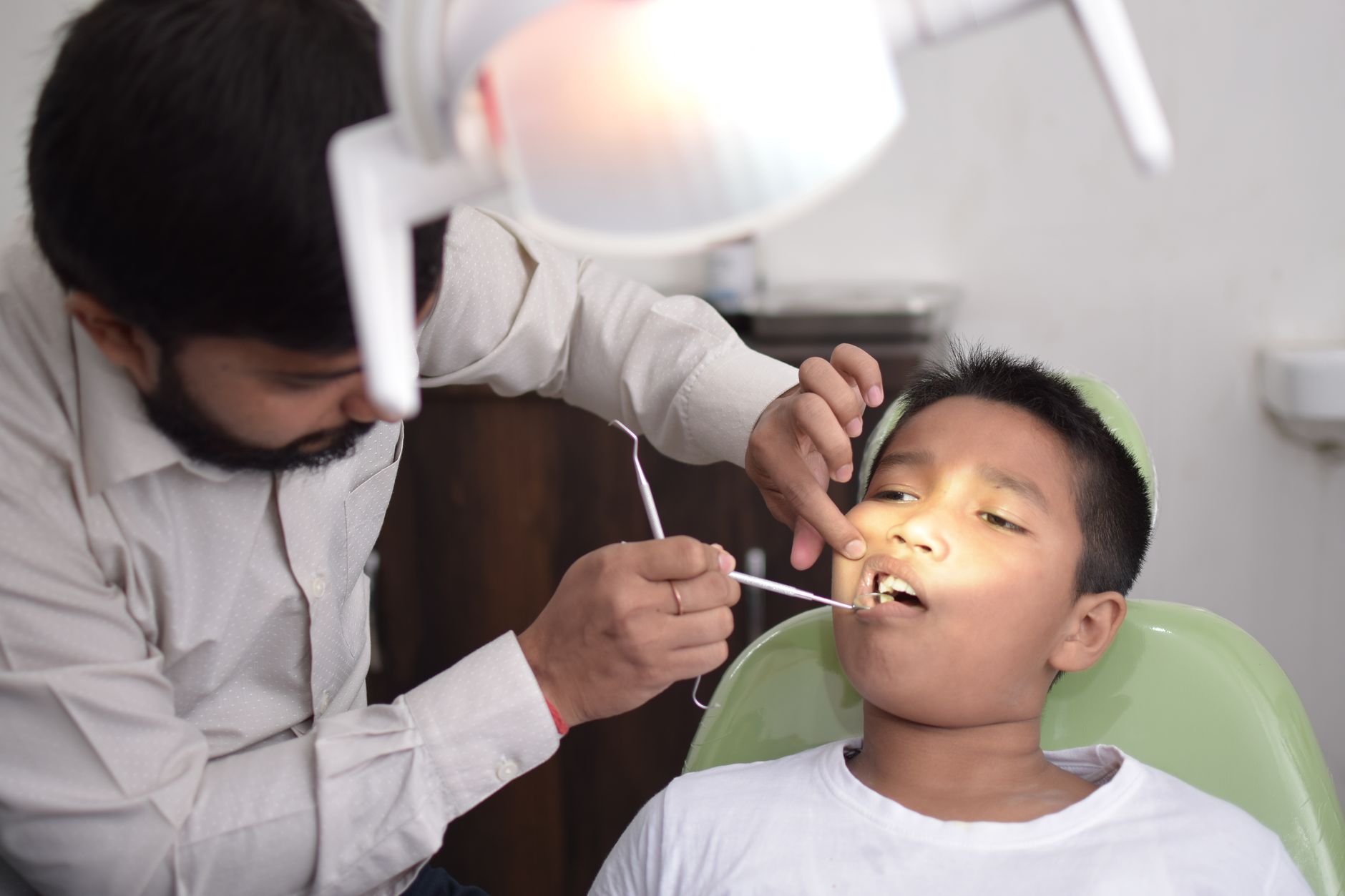
Regular dental visits play a crucial role in maintaining a child’s overall health and well-being. As a parent, you might wonder, “how often should children see a dentist?” Knowing the right schedule for dental visits ensures your child has a healthy smile and establishes a positive attitude towards dental hygiene. Let’s dive deep into understanding when and why dental visits are essential for children, and how to make these visits a comfortable experience.
The Importance of Early Dental Visits
Starting dental care early is vital. According to pediatric dental associations, children should visit the dentist by their first birthday or within six months after their first tooth emerges. Early visits help in identifying potential dental issues and setting a foundation for a lifetime of healthy habits. These initial appointments focus on evaluating your child’s oral development, cleaning their teeth, and educating parents about oral hygiene practices.
Going to the dentist early also helps your child get used to the dental environment, reducing anxiety and fear in future visits. Furthermore, this is a prime opportunity for parents to ask questions and receive guidance on topics such as thumb-sucking habits, teething, and appropriate nutrition for healthy teeth development.
Recommended Frequency of Dental Visits for Children
Determining the frequency of dental visits for your child depends on several factors, including their oral health status, risk of dental disease, and any developing conditions. Generally, most children benefit from a dental checkup every six months. However, some children might require more frequent visits if they are prone to cavities or other oral health issues. This schedule helps in closely monitoring changes in the mouth and addressing concerns promptly.
It’s also important to remember that dental visits are not solely for cleaning teeth; these appointments include thorough examinations that spot early signs of decay, teeth alignment issues, and other conditions that may not be visible to the untrained eye. Regular visits prevent more serious procedures later on, such as full mouth reconstruction in Fairfield, CT.
Understanding Different Stages of Childhood Dental Visits
Infants and Toddlers (Birth to Age 3)
During the initial years, dental visits are about familiarizing your child with the dental office and instilling trust. The focus is on early screening for oral problems, monitoring growth patterns, and providing tips for keeping tiny teeth healthy. Pediatric dentists also discuss the possible impacts of habits like prolonged pacifier use or thumb-sucking. These insights help in preventing future complications such as misalignment or bite issues.
Preschool and School-Age Children (Ages 4-12)
As children grow, their dental visits evolve to include preventive treatments such as sealants and fluoride applications to fortify enamel and prevent decay. At this stage, the dentist also assesses the spacing and alignment of developing permanent teeth. It’s crucial to tackle any irregularities early to avoid extensive corrections later, such as teeth repair with crowns.
Besides preventive care, school-age children may also need orthodontic evaluations. Early intervention can help in planning and coordinating treatments to guide proper jaw development, reducing the need for complex procedures in the future.
Adolescents (Ages 13-18)
Teenagers face unique challenges with their dental health, given increased risks for cavities due to dietary changes and potential issues with wisdom teeth. Routine checkups continue to play a critical role in dental health maintenance. During adolescence, dentists also focus on reinforcing the importance of regular brushing and flossing, evaluating any orthodontic treatments in progress, and guiding them to make healthy lifestyle choices that support oral health.
Making Dental Visits a Positive Experience
Encouraging a positive view of dental care from an early age is fundamental for a child’s compliance and comfort during visits. Here are some tips to make the experience pleasant:
- Choose a kid-friendly dental practice. Many offices that offer dental care for children are equipped with play areas, vibrant decor, and staff trained to work with kids, which helps in creating a welcoming atmosphere.
- Share positive stories or your own experiences with the dentist to build enthusiasm and reduce fear.
- Use role-play at home, letting your child practice being both “the dentist” and “the patient” to familiarize them with the process.
- Schedule visits at times when your child is more likely to be relaxed and cooperative, such as after a nap or a light meal.
Beyond Checkups: Building Healthy Oral Habits at Home
Consistent dental visits are most effective when paired with a sound daily oral hygiene routine at home. From the time their first tooth appears, brushing should become a non-negotiable part of your child’s day. Use a soft-bristled brush and a tiny smear of toothpaste, eventually increasing to a pea-sized amount for older children.
Flossing should begin as soon as your child has two teeth that touch. Teaching children the correct technique early lets them develop a valuable skill, making it a normal part of their day rather than a chore. Encourage kids to make brushing fun by letting them choose their toothbrushes or using songs timed for the recommended two-minute duration.
Diet also significantly affects oral health. Limiting sugary snacks and drinks, opting for water over juice or soda, and incorporating crunchy fruits and vegetables that naturally clean the teeth can dramatically improve dental health outcomes.
Signs It’s Time for a Dental Visit Outside the Routine Schedule
While regular appointments are essential, parents should also be vigilant for certain signs that may call for additional dental attention. If your child complains about tooth pain, shows any signs of infection (like swelling or redness), or experiences prolonged bleeding after losing a tooth, it’s prudent to consult your pediatric dentist as soon as possible. These symptoms can indicate more serious issues that need immediate attention to avoid long-term effects on their oral development.
Why Choosing the Right Pediatric Dentist Matters
Choosing the right dental professional can make a significant difference in your child’s attitude toward dental care. A good pediatric dentist tailors their approach to meet the unique needs of children, ensuring a stress-free environment while offering expert care. Consistent involvement with dental care professionals from childhood builds a strong foundation for full mouth reconstruction or other advanced procedures if they’re ever required later in life.
Remember, it’s not simply about “how often should children see a dentist?” but rather ensuring every visit is informative, comfortable, and a forward step towards lifelong dental health. By establishing these habits and regular appointments early on, you’re setting your child up for decades of healthy smiles.